


Fabien Jouves/ Mas del Perie, Cahors

Sud Ouest, France
©Guillaume Mirand
The winery Mas del Périé (house of stones) was founded in 2006 by Fabien Jouves. After completing his training in Bordeaux, the winemaker’s son took over the small family estate in southwest France, in the Sud Ouest wine region. More precisely, we are in Cahors, between Bordeaux and the Massif Central. The landscape here is shaped by the Lot River, which meanders quite dramatically through the area, having created a small peninsula upon which Cahors was built, as well as having dug terraces deep into the rock.
Viticulture takes place on these sandy gravel terraces as well as on the limestone dominated high plateau known as the Causse, reaching up to 400 meters above sea level. Summers are very hot, winters are damp and often bring risks of frost, especially at higher elevation. Unlike the Bordelais, there is a noticeable Mediterranean influence here.
©Guillaume Mirand
The most important grape variety of Cahors is Malbec, locally known as Côt. However, the experimental Fabien also cultivates many old indigenous grape varieties, such as Gros and Petit Manseng, Jurançon Noir, Gibert, Noual and even Muscat d’Alexandrie (also known as Zibibbo). The vineyards are located on the southern high plateaus of Cahors, the Causse, characterized by rough limestone and marl soils.
At Mas del Périé, work in the vineyard follows biodynamic principles, in pursuit of quality. The estate is a member of Biodyvin and Demeter. Vinification takes place without oenological additives and with minimal intervention: gentle and rather short macerations, often with whole-cluster fermentation. The wines are aged in concrete, amphorae, and mostly larger, older oak barrels. No filtration, minimal doses of SO₂. The focus during élevage is entirely on the grape and its terroir, while always retaining a fun-factor. Fabien’s style has gained a revolutionary reputation in the French wine scene. He crafts wines of such finesse that, tasted unknowing, one would hardly place them in Cahors. Particularly with Malbec, his high-altitude sites bring a remarkable lightness to the wines without sacrificing depth and complexity. These are wines that not only follow the current Zeitgeist but actively shape it at the forefront. We are very excited to present them to you - here comes the rundown.
©Guillaume Mirand
Fabien calls his first line “thirst quenchers”. Animating lighter wines, irresistibly drinkable, say glou glou. The thirst quenchers:
Somnan'Bulle Blanc (Pet Nat)
Sémillon, Chardonnay, Petit and Gros Manseng. This is Fabien’s sparkling wine, a Pétillant Naturel, meaning the still fermenting must is bottled and completes its primary fermentation in the bottle. Once bottled, no carbon dioxide (from the ongoing fermentation) can escape, so it integrates into the wine. The result is just finely sparkling, aromatic, often a little wilder. Fabien leans in a more serious direction, starting fermentation partly in concrete and wood, and giving the finished wine at least six months on its lees before disgorgement. This suits it well, as it already bursts with full, deep yellow fruit and herbal notes. A wine for all seasons.
Les Agudes
A cuvée of Colombard and Sauvignon Blanc. The round, easy drinking Colombard comes through, with freshness from the Sauvignon alongside. Aged in concrete, directly pressed, low in alcohol yet still aromatically expressive. Even here, Fabien achieves the balance he is known for. As Fabien describes it: “La cuvée essentielle à toujours avoir dans son frigo.”
Skin Contact
Gros Manseng, Ugni Blanc, Muscat d’Alexandrie. This blend of historic grape varieties is ideal for a light maceration, marking Fabien’s new entry into the world of orange wine. After a gentle month of skin contact in stainless steel, it is bottled quickly to preserve freshness and aromatics. Plenty of orange, the fruit, that fuller, warmer tone, without becoming heavy. Slightly rounder than some of its more radical northern counterparts, which makes it a great match for spicier cuisine, Mediterranean or Asian dishes come to mind.
And in red:
Tu Vin Plus Aux Soirées
A blend of Malbec with Gamay and Syrah. The wine is an assemblage from older parcels on marl soils. Skin contact is limited to just seven days, with aging in concrete. Here, the focus is clearly on the fruit and the spicy notes of these three southern varieties. Rather on the lighter, more charming side. Dangerously fun to drink, a crystal clear wine, that we can not imagine anyone disliking. 11.5% alcohol.
YFMW
= you fuck my wine?! - See "Raging Bull" by Martin Scorsese, starring Robert De Niro. The label already shows what you are getting into, depicting two bottles stored in various positions.
Malbec, Jurançon Noir, Gibert, Valdiguié. All indigenous grape varieties of the Sud Ouest. Whole cluster fermentation, aged six months in concrete with a focus on freshness. The wine is loud and expressive, yet does not take itself too seriously. A mouthful of cherry, plenty of dark berries, a touch of spice, all very primary.
… and then there are the single vineyard bottlings. Here things become more serious, while some wines, such as the heritage blend "Autochtones" still focus on juiciness.
Chenin Blanc “Les Pièces Longues”
Fabien planted this Chenin Blanc parcel himself twenty years ago on the barren Causse plateau. The vines are a selection from the Loire valley. Here in the south, the Chenin ripens beautifully, gets a little more sun soaked and warm, which gives it a fuller, riper yellow fruit character. Orchard fruit, hints of tropical notes, just deep yellow on the palate, really. Lees aging plays its part, while the wine is matured for a year in large foudre and barrique. Exciting both for Chenin purists and for those who prefer a rounder, more generous style, without being a heavyweight. 12.5% alcohol.
Orange Voilée
A macerated version of Fabien’s Chenin. Harvested from the same limestone plateau, the grapes are destemmed and the berries fermented in an 800 liter amphora. They are also aged there. Very little movement until bottling, even the skins remain in the vessel, in contact with the juice for the entire year. Still, because the maceration is very gentle, the wine does not turn overly tannic or overly herbaceous/wild. Plenty of ripe fruit, think orchard, quince, overall more texture and spice than the white version, yet without losing its drinkability.
Haut Berba
Petit and Gros Manseng from an old parcel in the Jurançon. We are still in the Sud Ouest, but more than 200 kilometers further southwest, near Irouléguy in the Basque Country, at the foot of the Pyrenees. Here, Fabien vinifies one hectare belonging to a good friend, Vincent Maysounave, whose father planted the vines forty years ago. The soil is calcareous clay gravel. The powerful, fully ripe grapes are pressed as whole clusters and fermented in stainless steel, before a calm elevage over two years in oak cask. Entirely without added sulfur, and in its slightly wilder, though entirely clean character, it is reminiscent of the Anjou, with its depth and richness, retaining a saline, vibrant acid drive.
In red:
Autochtones
Jurançon Noir, Gibert, Valdiguié, Noual.
Fermented partly whole bunch, with two weeks of gentle skin contact. Not too short, but truly not long either. Aged over a year in 500 liter oak. In the glass: A forest berry mix, ranging from red and tart to black and textured, with a spicy, floral pepper note and a bit(e) of backbone from the élevage. At just 9.5 percent alcohol, the Autochtones is almost never a bad idea. A revelation alongside bold, bitter vegetables such as artichoke or chicory.
Malbec “La Roque”
Malbec with a ridiculous 11.5% alcohol. An introduction to the fabulous world of Fabien’s Côt. An older parcel at 350 meters altitude, partly on slightly more fertile soils. Destemmed, fermented on the skins for a month in concrete tank, a relatively neutral vessel with minimal oxygen exchange. Bottled early, after half a year. This is Fabien’s lightest Malbec, with the clearest focus on primary fruit, yet also the grape’s typical darker, spicier tones, slightly grapefruit like, ashy, smoky. Very fine tannins, vibrant acidity.
Malbec “Les Acacias”
An old parcel on an iron-rich limestone plateau. Here the Malbec shows a more serious, more robust side, yet skillfully maintains a balance with Fabien’s playful, fragrant style and his barren sites. Archetypal Malbec, a grape you should taste at least once, dark fruited, rustic and spicy, without being heavy or broad (in this case :) ). And all that at 11.5%!!
Malbec “B763”
“Bloc 763” is the name given to Fabien’s oldest parcel. In the top segment, we do welcome the pragmatism. This plot grows a Malbec with substance and heart, self assured yet without noise, showcasing Fabien’s distinctive but deeply authentic interpretation of the grape.
Iron-rich limestone on a high plateau, over 50 year old Malbec vines, the grapes destemmed and fermented for a month in concrete egg. After three months the wine is transferred into large foudre, then bottled after one year. Clocking in at just 11.5%, we find plenty of depth and clear aging potential. Given some air in its youth, it already shows a playful perfume, lots of sour cherry and blackberry, all wrapped in earthy spice with a proper bite.
Imported to Austria by us at Pub Klemo in Vienna. Santé!
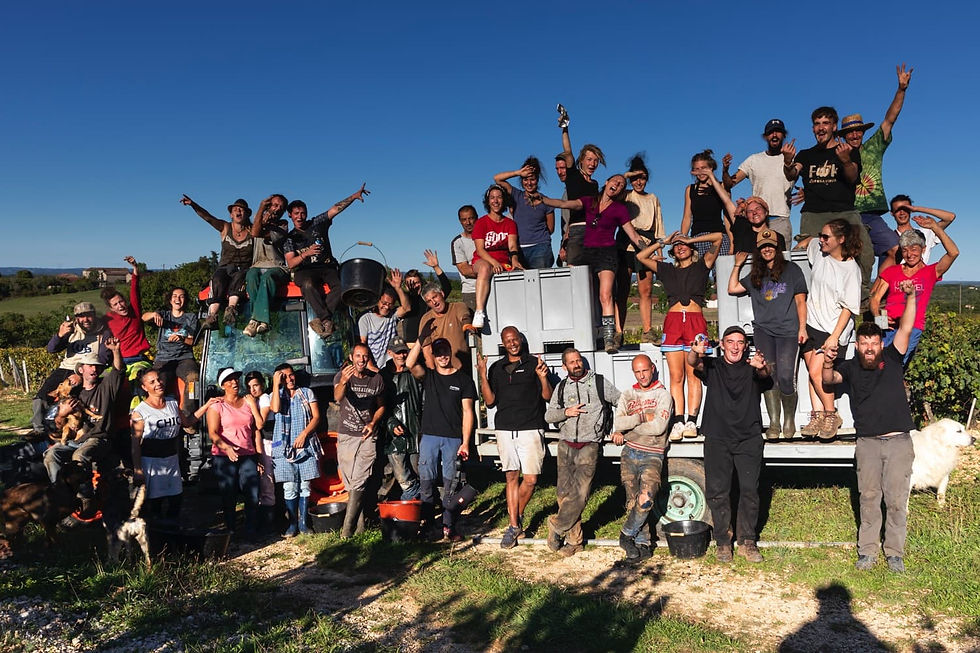
©Guillaume Mirand


